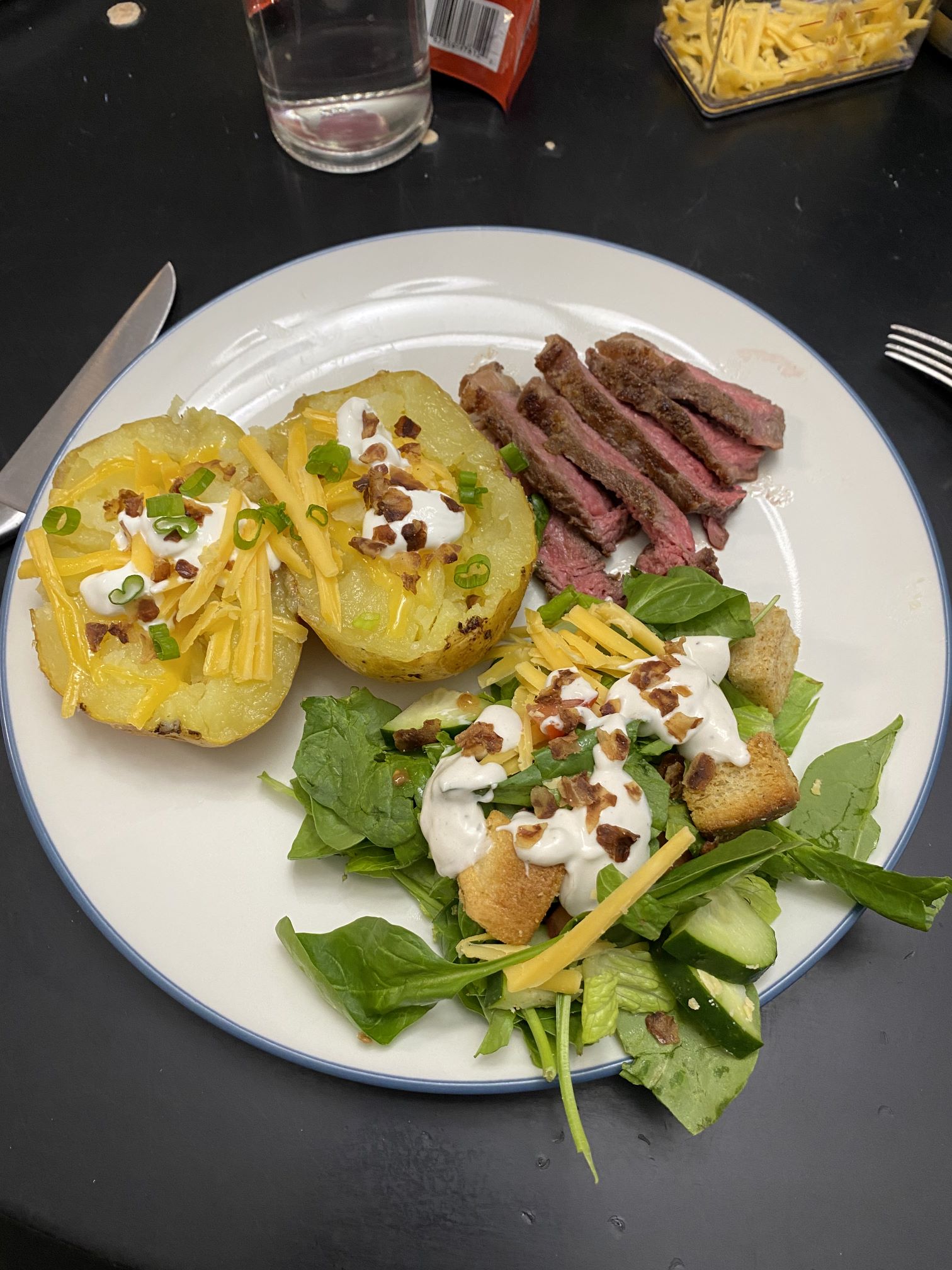
Hello again! As I mentioned in my previous post, I wanted to share a bit about some pretty major diet changes we have implemented in our family over the last few months. As a homesteading family, our main goal is to be as self-sufficient as possible. When I took a look at our long-term homesteading goals and began trying to make whatever foods we could at home, it became pretty evident that our current style of eating didn’t align with our goals.
A little History, for Context
In 2017, my husband and I felt called to begin a Daniel Fast. If you are unfamiliar with this term, it is a Biblical fast in the book of Daniel, where Daniel ate only fruits, vegetables and legumes for three weeks. For three weeks, my husband and I followed this, and afterwards we felt amazing. We had also been experiencing a desire to eat less meat before beginning this journey. After completing the fast, we decided to see how long we could go not eating animal products. Figuring out how to cook without animal products was quite the learning curve. It took a good couple months before I started to feel comfortable in the kitchen and our meals started to be tasty again. My son was one and a half when we switched to a plant-based diet. During this time, I got pregnant with my daughter and had a completely plant-based pregnancy. My daughter was born at the exact same weight and length as my son.
When COVID began in 2020, we, like many other families, began to look at our food situation again. The desire to be more self-sufficient was stirred, and gardening became more than a hobby. Our hope was to grow as much of our food as possible, including canning, seed saving, and other preservation methods. The chickens were an obvious next step when looking at food security. We had added eggs back into our diet sometime around 2021, but eating store bought eggs just didn’t quite sit right with either of us. You may recall that we built our chicken coop in spring of 2023, and today we have twenty-five chickens in our backyard.
Do It Yourself
Over the past two years, I have really tried to make as much as I can from scratch. This includes bread, dinner rolls, bagels, English muffins, tortillas, mayonnaise, salad dressings, pancakes, waffles, and more. I have started to look at the things we are buying from the store and finding ways to make them myself. It really cuts down on our grocery bill and I feel a lot better about the foods I am feeding my family. When I started looking at some of the labels on the plant-based foods we ate frequently, I began to realize the extent of how processed many of them are. Some, I was able to somewhat recreate at home, but several of them were so complex that it wasn’t feasible to make yourself. I didn’t like that. My husband didn’t like that either. Our bank account didn’t like it either, those things aren’t cheap! We began talking about how someday we would eat meat again, but only meat that was raised right, and in our ideal world, meat from animals that we raised ourselves. Our thoughts on dairy were the same, only wanting dairy from grass-fed cows that were raised right. Obviously, we aren’t in any position to have cows or animals other than chickens in our neighborhood home, so this all stayed as a thought for someday down the road.
Something about Butter
The first change that we made was butter. I was making all these great, homemade bread products, but many of them included butter in the recipe. We had already been making changes to eliminate seed oils from our diet, but the plant-based butter was quite literally just a stick of seed oil. I definitely felt some sort of way every time I’d make a recipe and start feeling good about making something with so many less ingredients, and then remembering that the plant butter has about 15 ingredients all on its own, and it’s filled with the thing we are trying to avoid. Quietly, I started thinking that maybe real butter was a better idea. Somewhere along the line, my husband started thinking it too. Fortunately, we have an amazing farm here in SC, just a few hours away. They sell many of their products at the local health food store. We found that grass fed butter didn’t upset our stomachs one bit, whereas anytime we had consumed cheaper butter in the past, it was instant stomach pain for the entire family.
As soon as we tried the grass-fed butter, both my husband and I had a similar experience. After eating, our heads felt weird. It’s hard to explain, but the way that he explains it is “Have you ever seen those survival shows? The ones where the people have to hunt their own food or else they starve? And after days or weeks of hardly any protein or fat, they finally catch a fish or hunt an animal. As soon as they eat it many of them say that they can feel their body absorbing the fat, and they can feel how much they needed it. That’s what this felt like.” Another thing I found, was that the butter seemed to make me feel satisfied. My appetite decreased, and any cravings that I had for salty fried foods or sweets instantly subsided. I definitely believe that the quality fats have been super nourishing to our bodies. I actually feel kind of bad that my kids didn’t have that for so long, but I can’t dwell on that too much. Everything happens for a reason.
Going along the same line, we gave cheese a try, fully expecting our digestive systems to protest. Much to our surprise, they didn’t. I’ve scoured every store around to find all the grass-fed cheeses I can. My kids have had fun trying different varieties and it’s interesting to watch their reactions as kids who haven’t ever had real cheese before (my son was too young to remember any of the food he ate as a baby).
We’ve tried raw milk a handful of times. My kids love it. I’m actually pretty surprised because when I was a kid and young adult, I HATED milk. Even as I got older, it always had a smell like it was sour even when it wasn’t. Gross. The raw milk didn’t have that smell at all, and it didn’t at all taste like the milk I had as a kid. It was so much milder, and I actually didn’t mind it at all. We hope to get some more raw milk soon, but it’s pretty hard to find here, and it’s very expensive so we’ll have to see how that goes.

A Trip to the Farm
For one of our homeschool field trips this year, we revisited Fat Mountain Farms in Cerro Gordo, NC. This farm is one of our absolute favorite places to visit. At Fat Mountain, they raise pasture raised poultry for meat and eggs as well as their own pasture raised lamb. Every time we have been there, my son has asked if we could get some chicken to try. He really wants to raise a few meat chickens next spring, but before jumping into that endeavor, he figured it would be smart to make sure we liked chicken. Just before our visit, the farm partnered with another local farm that raises grass fed beef. We decided the time had come and bought one steak and one pack of chicken.
The first night we cooked up the chicken. My son, who typically is the slowest eater in the family, gobbled up his meal and was the first one done! My daughter wasn’t exactly sold, but she tried it a second time and liked it. Everyone enjoyed the steak, and it didn’t take much to feel satisfied from it. We have had a few steaks now and have managed to split one between the four of us.


The Greater Purpose
My husband and I were talking about how wild it is for us to have made such a drastic change. Seven years is a long time, after all. After much discussion, we realized that there is a bigger plan at play. The Daniel Fast and going plant-based was necessary for us to begin making the connection to where our food comes from and how it impacts the body. Beginning our homestead journey was necessary for us to realize the ability that we had. And now, it all comes together in a beautiful way. Looking at the bigger picture we are able to see God’s amazing plan. We can see the way things used to be, the way they were intended, back before industry modernized our food system. Now we set off on a new chapter, getting ever closer to simplicity and health.
Moving Forward
As we move on, we aren’t just abandoning everything from the plant-based diet. Throughout our time eating this way, we have been introduced to so many new foods, cuisines and styles and have lots of favorite meals that don’t include the use of animal products. The goal is to have some sort of meat two to three times a week for dinner. Since we are only buying 100% grass-fed beef and pasture raised chicken from a local farm, it’s not really economical for us to eat it more often than that anyways. However, switching to grass fed butter and quality cheeses has been a game changer for us. Those items aren’t really more expensive than the highly processed plant-based alternatives but have increased our nutrient profile and reduced the number of ingredients we are eating at any one given meal.
Hopefully someday we will have our own land with our own beef and dairy cattle, meat chickens and laying hens, and everything in between. Until then, we will source quality ingredients from local farms whenever possible and continue striving for self-sufficiency in whatever ways we can.
2 responses to “An Unexpected Change: A Seven Year Eating Journey”
Great news, Mollie. Love hearing about your nutrition journey. You need to check out Melaleuca’s line of grass feed, no hormones or antibiotics ever, line from Idaho. We order every other month. It’s called black label beef.
I remember you telling me about it when you were visiting! I will definitely look into it!